
The Hidden Dangers of Untreated Water Damage and Mold in Your Property
March 25, 2026Water damage is one of the most common and destructive issues property owners face. Whether caused by a burst pipe, flooding, roof leaks, or appliance failure, water intrusion can quickly escalate into a much larger problem if not addressed immediately. In Southfield, Michigan, where seasonal weather changes, heavy rains, and freezing temperatures are common, the risk of water damage is even higher.
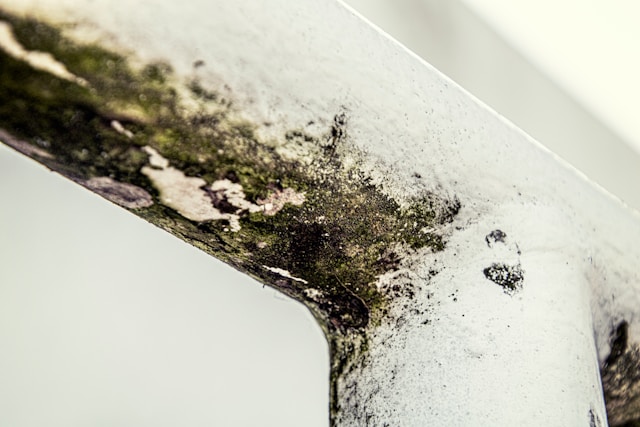
What many homeowners and business owners don’t realize is that the visible effects of water damage are only part of the problem. Beneath the surface, untreated water damage can lead to serious structural issues, hazardous mold growth, and long-term health risks.
Understanding these hidden dangers is essential to protecting your property, your investment, and your well-being.
Why Water Damage Should Never Be Ignored
At first glance, water damage may seem minor—perhaps a damp carpet, a small stain on the ceiling, or a slight musty odor. However, water has a unique ability to penetrate deep into building materials, including drywall, insulation, wood framing, and flooring.
Once moisture becomes trapped, it creates the perfect environment for deterioration and microbial growth. The longer the problem goes untreated, the more extensive—and expensive—the damage becomes.
Key reasons water damage should be addressed immediately:
- Moisture spreads quickly through porous materials
- Damage continues even after the initial water source is removed
- Mold can begin growing within 24–48 hours
- Structural integrity can weaken over time
The Hidden Structural Damage
One of the most serious consequences of untreated water damage is its impact on your property’s structure.
Wood Rot and Weakening
Water exposure can cause wooden beams, joists, and subflooring to rot. Over time, this weakens the structural framework of your home or building.
Drywall Deterioration
Drywall absorbs moisture easily, leading to swelling, cracking, and eventual breakdown. This can compromise walls and ceilings.
Foundation Issues
Persistent moisture can seep into the foundation, causing cracks, shifting, or settling that affects the entire structure.
Warped Flooring
Hardwood floors may warp, buckle, or separate when exposed to moisture, while laminate and carpet can deteriorate rapidly.
These issues often develop out of sight, making professional inspection critical after any water damage event.
Mold Growth: The Silent Threat
Mold is one of the most dangerous consequences of untreated water damage. It thrives in damp, dark environments and can spread rapidly throughout a property.
How Mold Develops
Mold spores are naturally present in the air. When they land on moist surfaces, they begin to grow and multiply.
Common areas for mold growth include:
- Behind walls and under flooring
- Inside HVAC systems
- Basements and crawl spaces
- Around windows and roofs
Why Mold Is Dangerous
Mold is not just an aesthetic issue—it poses serious health risks, especially for individuals with allergies, asthma, or weakened immune systems.
Health effects may include:
- Respiratory problems
- Skin irritation
- Headaches and fatigue
- Worsening of asthma symptoms
In severe cases, prolonged exposure can lead to chronic health conditions.
Health Risks Beyond Mold
Water damage doesn’t just lead to mold—it can also introduce harmful contaminants into your environment.
Bacteria and Pathogens
Water from flooding or sewage backups may contain bacteria, viruses, and other pathogens that pose serious health risks.
Poor Indoor Air Quality
Moisture and mold spores can circulate through your HVAC system, reducing air quality throughout the property.
Allergens and Irritants
Damp environments encourage the growth of dust mites and other allergens.
Addressing water damage promptly helps maintain a safe and healthy indoor environment.
The Financial Impact of Delayed Repairs
Ignoring water damage can quickly lead to escalating repair costs. What might have been a simple cleanup can turn into a major restoration project.
Increased Repair Costs
- Minor leaks can lead to major structural repairs
- Mold remediation adds additional expenses
- Damaged materials may need full replacement
Reduced Property Value
Visible damage, odors, and mold issues can significantly decrease the value of your property.
Insurance Complications
Delaying repairs may affect insurance claims, as insurers often require prompt action to mitigate damage.
Common Causes of Water Damage in Southfield, MI
Understanding the causes of water damage can help property owners take preventative measures.
- Burst or frozen pipes during winter
- Heavy rainfall and flooding
- Roof leaks from snow or storm damage
- Appliance failures (water heaters, washing machines)
- Poor drainage or sump pump failure
Southfield’s seasonal climate makes properties particularly vulnerable to these issues.
Warning Signs of Hidden Water Damage
Not all water damage is immediately visible. Being aware of early warning signs can help you act quickly.
Look out for:
- Musty or damp odors
- Discoloration on walls or ceilings
- Peeling paint or wallpaper
- Warped or soft flooring
- Unexplained increase in water bills
If you notice any of these signs, it’s important to seek professional evaluation.
The Role of Professional Restoration Services
Professional restoration companies use specialized equipment and techniques to address water damage and prevent further issues.
Moisture Detection
Advanced tools identify hidden moisture in walls, floors, and ceilings.
Water Extraction and Drying
Industrial-grade equipment removes water and thoroughly dries affected areas.
Mold Remediation
Professionals safely remove mold and prevent future growth.
Cleaning and Sanitization
Contaminated areas are cleaned and disinfected to restore a safe environment.
Structural Repairs
Damaged materials are repaired or replaced to restore the integrity of the property.
Timeline of Water Damage and Its Effects
Understanding how quickly water damage progresses highlights the importance of immediate action.
| Time After Water Exposure | Damage Occurring | Risk Level |
|---|---|---|
| 0–24 Hours | Water spreads, materials begin absorbing moisture | Moderate |
| 24–48 Hours | Mold growth begins, odors develop | High |
| 2–7 Days | Structural damage worsens, mold spreads rapidly | Very High |
| 1–2 Weeks | Severe deterioration, costly repairs required | Critical |
| 3+ Weeks | Extensive structural damage, health hazards increase | Extreme |
Preventing Water Damage and Mold
While not all water damage can be avoided, preventative measures can significantly reduce risk.
Regular Maintenance
- Inspect plumbing and appliances regularly
- Check roofs and gutters for damage
- Maintain sump pumps and drainage systems
Proper Ventilation
- Use exhaust fans in bathrooms and kitchens
- Ensure adequate airflow in basements and crawl spaces
Moisture Control
- Use dehumidifiers in humid areas
- Address leaks immediately
Professional Inspections
Routine inspections can identify potential issues before they become major problems.
Why Fast Response Makes All the Difference
The speed at which water damage is addressed directly impacts the outcome. Quick action can:
- Minimize structural damage
- Prevent mold growth
- Reduce repair costs
- Restore your property faster
Delays, even by a day or two, can significantly increase the severity of the situation.
The Importance of Local Expertise
Working with a local restoration company in Southfield ensures that your property is handled by professionals who understand the area’s specific challenges.
Local experts are familiar with:
- Michigan’s climate and seasonal risks
- Common building materials and construction methods
- Local regulations and safety standards
This knowledge allows for more effective and efficient restoration.
Final Thoughts
Water damage may start as a small issue, but its hidden dangers can quickly escalate into serious structural, financial, and health problems. From mold growth and poor air quality to weakened foundations and costly repairs, the consequences of inaction are significant.
The key to protecting your property is early detection and immediate response. By addressing water damage promptly and working with experienced professionals, you can prevent long-term damage and restore your home or business to a safe, healthy condition.
Ultimately, taking water damage seriously isn’t just about repairs—it’s about safeguarding your investment, your environment, and your peace of mind.