
Professional Flood Cleanup Technology in Southfield: Tools That Get the Job Done Right
April 6, 2026When it comes to flood cleanup in Southfield, leveraging the right technology is essential for effective restoration. Submersible pumps play a key role in quickly removing standing water, while industrial dehumidifiers tackle excess humidity to mitigate water damage. Additionally, moisture detection tools are essential for identifying hidden moisture, ensuring a thorough cleanup and preventing future issues like mold growth in your property.
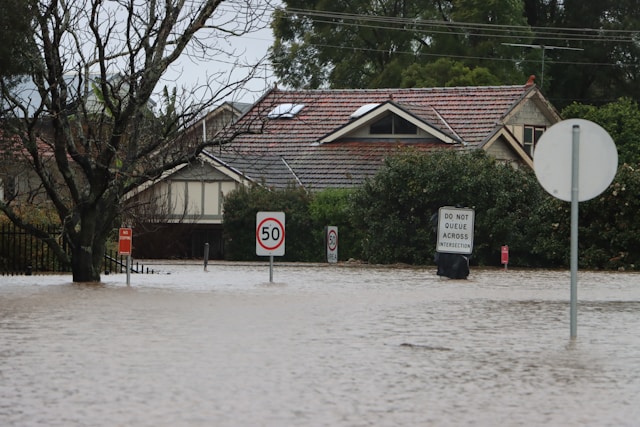
Introduction to Flood Risks in Southfield, MI
Located in a region prone to heavy rainfall and seasonal storms, Southfield, MI faces significant flood risks that can impact residential and commercial properties alike. When flooding occurs, swift Southfield flood damage cleanup is essential. Utilizing advanced flood damage restoration technology, including moisture meters restoration, helps assess hidden water damage, ensuring thorough recovery and minimizing long-term effects on structures and indoor air quality.
Common Causes of Flooding in Southfield Homes
During the heavy rain seasons, many Southfield homes face increased vulnerability to flooding due to several common causes. Poor drainage systems often lead to water pooling, while heavy downpours overwhelm sump pumps. Additionally, foundation cracks can allow water ingress. Utilizing professional flood cleanup equipment in Southfield, MI, including IICRC certified restoration equipment and basement flood cleanup equipment, becomes essential for effective recovery.
Why Advanced Cleanup Technology is Essential
Advanced cleanup technology is essential for effectively addressing the aftermath of flooding, ensuring that properties are restored to their pre-damage state promptly and thoroughly. Utilizing tools like wet dry vacs for water removal and infrared thermal imaging for moisture detection, along with HEPA air scrubbers for mold removal, guarantees all-encompassing recovery, minimizing risks of mold growth and enhancing indoor air quality efficiently and effectively.
The Importance of Professional Flood Cleanup Equipment
In the aftermath of flooding, access to professional cleanup equipment is essential for restoring your property efficiently and safely. Utilizing the right tools minimizes damage and promotes a quicker recovery. Consider:
- Water extraction tools Southfield for immediate water removal
- Air movers for flood drying to prevent mold growth
- Hygrometers for humidity monitoring to secure a dry environment
Investing in these tools guarantees ideal restoration outcomes.
Limitations of DIY Water Removal Methods
Relying on DIY water removal methods can lead to inadequate restoration and persistent issues after flooding. Without truck-mounted extraction units, you might not remove all the water effectively. Additionally, lacking negative air machines for restoration results in poor air quality. Finally, without antimicrobial fogging equipment, you risk hidden contaminants, which can lead to mold growth and health risks over time.
Benefits of Industrial-Grade Restoration Tools
Understanding the limitations of DIY water removal methods highlights the advantages of using industrial-grade restoration tools for effective flood cleanup. These tools considerably enhance the psychrometrics drying process, ensuring thorough drying and preventing secondary damage.
- Accelerated water removal
- Precision in moisture detection
- Enhanced air quality control
Using professional equipment guarantees a faster, more complete restoration, protecting your property in the long run.
Water Extraction Equipment Used in Flood Cleanup
Effective water extraction is essential in flood cleanup, as it directly influences the speed and success of the restoration process. To achieve ideal results, you’ll need equipment like portable extractors, truck-mounted units, and extraction wands. These tools efficiently remove water from carpets, upholstery, and hard surfaces, ensuring thorough drainage and preparing the space for drying and decontamination, ultimately enhancing recovery efforts.
Submersible Pumps for High-Volume Water Removal
When faced with a flood, your first thought likely centers on how to remove the overwhelming volume of water efficiently. Submersible pumps are essential for this task, providing quick and effective high-volume water removal.
- Rugged construction for underwater use
- High flow rates to expedite extraction
- Versatile designs for various water depths
Using these pumps guarantees a faster recovery, minimizing damage to your property.
Wet/Dry Vacuums for Residual Water Extraction
Wet/dry vacuums are indispensable tools for tackling residual water extraction after a flood. Their powerful suction capability quickly removes standing water from surfaces, reducing the risk of mold growth. Designed to handle both liquid and debris, they’re versatile for various cleanup scenarios. Using a wet/dry vacuum guarantees thorough extraction, allowing other drying equipment to work more effectively in restoring affected areas.
Truck-Mounted Extraction Units for Large-Scale Jobs
Truck-mounted extraction units are essential for tackling large-scale water damage jobs, particularly in areas heavily affected by flooding. These powerful machines efficiently remove significant volumes of water, speeding up the restoration process.
- High suction power for quick water removal
- Large capacity tanks to minimize emptying frequency
- Enhanced mobility to reach difficult locations
Utilizing these tools guarantees a more effective cleanup.
How Fast Extraction Prevents Mold Growth
In flood recovery, every minute counts; quick water extraction can greatly hinder mold growth. By using advanced extraction tools, you remove moisture swiftly, minimizing the ideal environment for mold spores. Mold can begin to develop within 24–48 hours, so timely interventions are essential. Ensuring thorough extraction not only protects your property but also safeguards your health from mold-related issues.
Drying Equipment That Speeds Up Restoration
To expedite the restoration process after a flood, using the right drying equipment is essential. This equipment greatly reduces drying time and helps prevent further damage. Consider these tools:
- Industrial dehumidifiers to extract moisture from the air
- High-capacity air movers to circulate air effectively
- Moisture meters for accurate assessment of wet areas
Together, these tools lead to an efficient drying process, speeding up recovery.
Air Movers and High-Velocity Fans Explained
Air movers and high-velocity fans are essential tools in the flood recovery process, working together to enhance airflow and accelerate drying. By directing powerful streams of air across wet surfaces, they help evaporate moisture quickly, reducing the risk of mold growth. These devices are strategically placed to optimize air distribution, ensuring every affected area receives adequate ventilation for effective drying.
Axial vs Centrifugal Air Movers
When it comes to flood recovery, understanding the differences between axial and centrifugal air movers is essential for achieving ideal drying results.
- Axial air movers produce high airflow, ideal for larger spaces.
- Centrifugal air movers create focused, powerful streams for targeted drying.
- Choosing the right type optimizes moisture elimination and speeds up the restoration process, enhancing overall efficiency in flood cleanup.
Industrial Dehumidifiers and Their Role
Industrial dehumidifiers play an essential role in flood restoration by effectively reducing moisture levels in affected areas, thereby preventing structural damage and mold growth. They remove excess humidity from the air, promoting faster drying of surfaces and materials. By maintaining relative humidity levels below 50%, these dehumidifiers help create an environment conducive to effective water damage restoration, ensuring long-term property safety and integrity.
Refrigerant vs Desiccant Dehumidifiers
Understanding the nuances between refrigerant and desiccant dehumidifiers can inform your choice in flood restoration efforts.
- Refrigerant dehumidifiers excel in warmer environments.
- Desiccant dehumidifiers perform better in cold or unconditioned spaces.
- Each type targets specific moisture levels, influencing overall effectiveness.
Choosing wisely will enhance your flood cleanup strategy, ensuring ideal moisture removal tailored to your environment.
Structural Drying Systems for Hidden Moisture
In flood restoration, utilizing structural drying systems is essential for tackling hidden moisture that can compromise the integrity of a building. These systems employ high-capacity air movers and dehumidifiers designed to circulate air and extract moisture from walls, ceilings, and flooring. Enclosing affected areas with plastic sheeting helps contain humidity, ensuring a thorough drying process, ultimately preventing long-term damage and mold growth.
The Role of Psychrometrics in Efficient Drying
Effective flood recovery hinges on recognizing the essential role of psychrometrics in the drying process. Understanding humidity, temperature, and dew point allows you to optimize drying efforts.
- Moisture content calculations enhance efficiency.
- Humidity measurements determine equipment needs.
- Temperature control speeds up evaporation.
Utilizing psychrometric principles guarantees a thorough drying process, considerably reducing the risk of mold and structural damage in your property.
Air Quality and Sanitization Technology
While drying your property is essential, guaranteeing good air quality and proper sanitization is equally important after a flood. After water damage, contaminants can linger, affecting your health. Professional teams use advanced sanitizing agents and moisture removal technology to eliminate bacteria and odors. Additionally, they employ monitoring tools to guarantee that your environment meets safety standards, promoting a healthy indoor atmosphere.
HEPA Air Scrubbers for Contaminant Removal
Utilizing HEPA air scrubbers greatly enhances the air quality in spaces affected by flood damage. These devices effectively capture airborne contaminants, ensuring a safer environment for occupants.
- Removes dust, allergens, and mold spores
- Filters particles as small as 0.3 microns
- Helps prevent respiratory issues and allergic reactions
Negative Air Machines and Containment Strategies
After improving air quality with HEPA air scrubbers, implementing negative air machines and containment strategies becomes essential in managing flood restoration efforts. Negative air machines create a lower pressure environment, preventing contaminants from escaping into unaffected areas. Containment strategies, including physical barriers and airlocks, isolate the affected area, allowing for efficient air filtration and minimizing spread. Together, they guarantee a safer, cleaner restoration process.
Antimicrobial Fogging Equipment for Disinfection
In many flood restoration scenarios, antimicrobial fogging equipment serves as an indispensable tool for disinfection. This technology guarantees you’re tackling pathogens and preventing microbial growth effectively.
- Employs fine mist application for uniform coverage
- Utilizes EPA-approved disinfectants to kill germs
- Ideal for hard-to-reach areas, enhancing thoroughness
Utilizing this equipment helps you maintain a safe environment, vital for successful flood recovery.
Creating a Safe Indoor Environment After Flooding
Confirming a safe indoor environment following a flood is essential for protecting your health and preventing long-term structural damage. Begin by removing contaminated materials, like soaked carpets and drywall. Use air movers and dehumidifiers to eliminate moisture, reducing mold growth risk. Finally, guarantee proper ventilation and employ air purification systems to enhance air quality, safeguarding your home’s environment for you and your family.
Moisture Detection and Monitoring Tools
Detecting moisture effectively is essential for preventing further damage and ensuring complete recovery after flooding. You need reliable tools to monitor moisture levels accurately:
- Moisture Meters: Measure moisture content in various materials.
- Digital Hygrometers: Track humidity levels in the air, preventing mold growth.
- Penetrating Probes: Access hard-to-reach areas for precise detection.
Utilizing these tools helps you manage moisture and protect your property effectively.
Infrared Thermal Imaging Cameras for Hidden Water
Moisture meters and digital hygrometers are invaluable for managing moisture levels, but they sometimes miss hidden water trapped within walls, ceilings, or floors. This is where infrared thermal imaging cameras come in. They detect temperature differences, revealing moisture that’s not visible to the naked eye. By pinpointing these hidden issues, you can address water damage more effectively, ensuring thorough restoration.
Moisture Meters for Accurate Readings
When tackling flood damage, having the right tools at hand can make all the difference, and moisture meters are essential for providing accurate readings of dampness levels in various materials. These tools help you assess moisture content effectively, ensuring proper drying and preventing mold growth.
- Instant readings for quick decision-making
- Pinpoint trouble areas in walls and flooring
- Track drying progress over time
Pin-Type vs Pinless Meters
Choosing the right moisture meter for flood cleanup can be crucial for effective restoration, and understanding the differences between pin-type and pinless meters is essential. Pin-type meters use electrodes to directly penetrate materials, providing precise readings but potentially causing damage. Pinless meters employ electromagnetic waves, allowing for non-invasive measurements. Each has its advantages, so consider your specific needs when selecting the appropriate tool for your restoration project.
Hygrometers for Humidity Monitoring
Hygrometers serve as essential tools in monitoring humidity levels during flood cleanup operations. They provide critical data to guarantee effective drying and prevent mold growth. These devices help you track moisture content accurately, allowing for timely interventions.
- Measure relative humidity
- Help determine drying needs
- Guarantee ideal indoor air quality
Moisture Mapping for Targeted Drying
Moisture mapping is an essential technique that enables restoration professionals to identify and target areas affected by water intrusion more effectively. By using advanced moisture detection tools, they create detailed maps of moisture levels throughout your property. This process allows for precise drying strategies, ensuring that hidden water pockets are addressed, which speeds up recovery and minimizes the risk of mold growth.
Preventing Long-Term Damage with the Right Technology
Identifying moisture vulnerabilities in your home is just the beginning of effective flood restoration; addressing these issues promptly is key to preventing long-term damage. Utilizing advanced technology, you can guarantee thorough restoration.
- Submersible pumps extract excess water quickly
- Industrial dehumidifiers maintain ideal humidity levels
- Thermal imaging cameras detect hidden moisture
These tools work together to safeguard your property against lasting consequences.
Mold Growth Prevention Within 24–48 Hours
Acting swiftly after a flood is essential to prevent mold growth, which can start within 24 to 48 hours. You’ll need to use industrial dehumidifiers and air movers to reduce moisture levels effectively. Utilizing moisture detection tools guarantees all wet areas are addressed. Employing HEPA air scrubbers also helps improve air quality, minimizing mold spores and promoting a healthier environment.
Protecting Structural Integrity of the Property
To secure the structural integrity of your property following a flood, it is crucial to address water damage swiftly and thoroughly. Utilize professional equipment and techniques to guarantee an all-encompassing restoration process, including:
- Advanced moisture detection tools to identify hidden water
- Industrial-grade dehumidifiers for efficient drying
- Structural assessments to identify weaknesses or damage
These actions help preserve your property’s foundation and frame, preventing long-term structural issues.
Contamination Control for Gray and Black Water
After ensuring the structural integrity of your property, it’s imperative to tackle contamination control, especially when dealing with gray and black water. Utilize appropriate PPE, and follow strict protocols for containment and disposal. Use specialized vacuums and sanitizing agents to eliminate harmful pathogens. Document the process for insurance and compliance. Ignoring contamination can pose severe health risks and extend the damage.
Why Advanced Flood Cleanup Technology Matters
When facing the aftermath of a flood, using advanced flood cleanup technology isn’t just beneficial—it’s crucial for effective restoration. Specialized tools not only expedite recovery but also reduce health risks and prevent future damage.
- Efficient water extraction
- Precision moisture detection
- Enhanced air quality management
Investing in this technology guarantees your property is restored thoroughly and safely, allowing you to move forward without lingering concerns.
Faster Restoration Times
Utilizing advanced flood cleanup technology not only enhances safety and efficiency but also noticeably speeds up restoration times. With tools like submersible pumps and industrial dehumidifiers, you can considerably reduce drying periods, preventing mold growth. Moisture detection equipment guarantees no hidden water remains, while high-capacity air movers expedite air circulation, bringing your property back to its pre-flood condition quickly and effectively.
Improved Safety and Health Outcomes
Improved safety and health outcomes are paramount in flood cleanup, as standing water and damp environments create ideal conditions for the growth of harmful mold and bacteria. Utilizing advanced technology helps to mitigate these risks:
- HEPA air scrubbers eliminate airborne contaminants.
- Antimicrobial treatments prevent mold proliferation.
- Moisture detection tools reveal hidden water sources.
These measures guarantee a safer environment for you and your family.
More Accurate and Complete Drying Results
Achieving more accurate and complete drying results is essential in flood cleanup, as any remaining moisture can lead to structural damage and health issues. Utilizing advanced moisture detection tools, like thermal imaging cameras and moisture meters, guarantees you identify hidden water. Combining these technologies with industrial-grade dehumidifiers allows for faster drying times, reducing the risk of mold and enhancing overall effectiveness in recovery efforts.
Southfield, MI Considerations for Flood Cleanup
In Southfield, MI, specific considerations for flood cleanup are vital to guarantee effective restoration and minimize long-term damage. You should focus on:
- Evaluating the type of water (clean, grey, or black) for appropriate cleanup methods.
- Ensuring proper ventilation to expedite drying and reduce mold risk.
- Identifying and repairing structural damage to prevent future issues.
These factors are essential for a successful restoration process.
Basement Flooding in Michigan Homes
Basement flooding is a frequent concern for many homeowners in Michigan, particularly in areas prone to heavy rainfall and snowmelt. When your basement floods, it’s essential to act quickly to mitigate damage. Utilizing submersible pumps, dehumidifiers, and moisture detection tools guarantees thorough water removal and structure drying. Addressing the issue promptly minimizes mold growth and restores a safe, dry environment in your home.
Impact of Heavy Rainfall and Snowmelt
Heavy rainfall and snowmelt can profoundly impact properties, particularly in Southfield, where the saturation of soil and rapid runoff often lead to increased flooding risks. You might notice:
- Water pooling around foundation areas
- Overworked drainage systems, unable to cope
- Increased erosion of landscaping and soil
These conditions enhance the likelihood of damage and mold growth, necessitating immediate flood cleanup measures to protect your property.
Challenges with Older Plumbing Systems
Older plumbing systems often struggle to cope with the increased demands placed on them by modern water usage patterns, especially during flooding events. These systems may contain outdated materials, such as galvanized steel or lead, which deteriorate over time, leading to blockages and leaks. Insufficient drainage capacity exacerbates the problem, increasing the risk of extensive water damage and making effective flood cleanup more challenging.
Why Choose Midway at Archdale in Southfield, MI
In Southfield, MI, where flooding can wreak havoc on properties—often exacerbated by aging plumbing systems—residents need reliable solutions for restoration and recovery. Midway at Archdale provides unmatched expertise with:
- IICRC-certified professionals ensuring industry standards
- Advanced moisture detection technology for thorough assessments
- Comprehensive drying and restoration processes tailored to your needs
Choosing Midway at Archdale guarantees efficient and effective flood cleanup services.
Use of Industry-Leading Equipment
Effective flood cleanup relies heavily on industry-leading equipment designed to tackle the challenges of water damage restoration. Utilizing submersible pumps, truck-mounted extraction units, and industrial dehumidifiers accelerates water removal and drying. Advanced moisture detection tools like thermal imaging cameras guarantee thorough assessments, while HEPA air scrubbers improve air quality. These technologies work together to deliver efficient and extensive recovery from flood damage swiftly.
Certified and Experienced Technicians
Frequently, the success of flood cleanup operations hinges on the expertise of certified and experienced technicians. Their training and hands-on experience guarantee that the restoration process is efficient and effective. You can expect them to:
- Assess the extent of water damage accurately
- Implement the best practices for water extraction and drying
- Use advanced techniques to prevent mold growth
These factors markedly enhance recovery outcomes.
Commitment to Quality Restoration Services
The expertise of certified and experienced technicians not only assures efficient recovery but also underscores a broader commitment to quality restoration services. Utilizing advanced technologies, these professionals guarantee a thorough cleanup process that adheres to IICRC standards. Their focus on meticulous inspections and the use of specialized equipment prevents future issues, providing you with peace of mind and a safe, restored environment.
Call to Action
Wondering how to initiate your flood recovery process?
- Assess the damage and identify affected areas.
- Utilize advanced technology for swift water removal and drying.
- Prioritize air quality with proper dehumidification and filtration.
Taking these steps guarantees you’re on the right track to restoring your property effectively and efficiently. Don’t wait—start your recovery today with the right tools and knowledge at your disposal.
Get Professional Flood Cleanup Services in Southfield Today
If you’re dealing with the aftermath of a flood in Southfield, seeking professional cleanup services is essential to guarantee a thorough recovery. These experts utilize advanced equipment like submersible pumps and industrial dehumidifiers to efficiently remove water and moisture. Their thorough approach follows IICRC standards, ensuring no hidden water remains, thereby preventing potential mold growth and safeguarding your property’s integrity.
Contact Midway at Archdale for Immediate Assistance
For immediate assistance with flood damage in Southfield, contacting Midway at Archdale is an essential step in minimizing loss and expediting recovery. Their specialized services guarantee:
- Rapid water extraction via powerful pumps
- Extensive structural drying with advanced dehumidifiers
- Improved air quality through HEPA filtration systems
Don’t wait—taking action quickly can mitigate further damage and promote a faster restoration.