
How Mold Remediation Protects Homes and Businesses After Water Damage
May 25, 2026Water damage can leave behind far more than visible destruction. While flooding, leaks, and burst pipes often cause immediate structural problems, one of the most dangerous long-term consequences is mold growth. Mold can begin developing within just 24 to 48 hours after moisture exposure, spreading quickly through walls, ceilings, flooring, insulation, and HVAC systems. If left untreated, mold contamination can create serious health risks, damage building materials, and significantly reduce indoor air quality.
For homeowners and business owners, mold growth after water intrusion is not simply a cosmetic problem. It can affect the safety, comfort, and long-term condition of an entire property. This is why professional remediation services play a critical role in post-flood recovery and structural restoration.
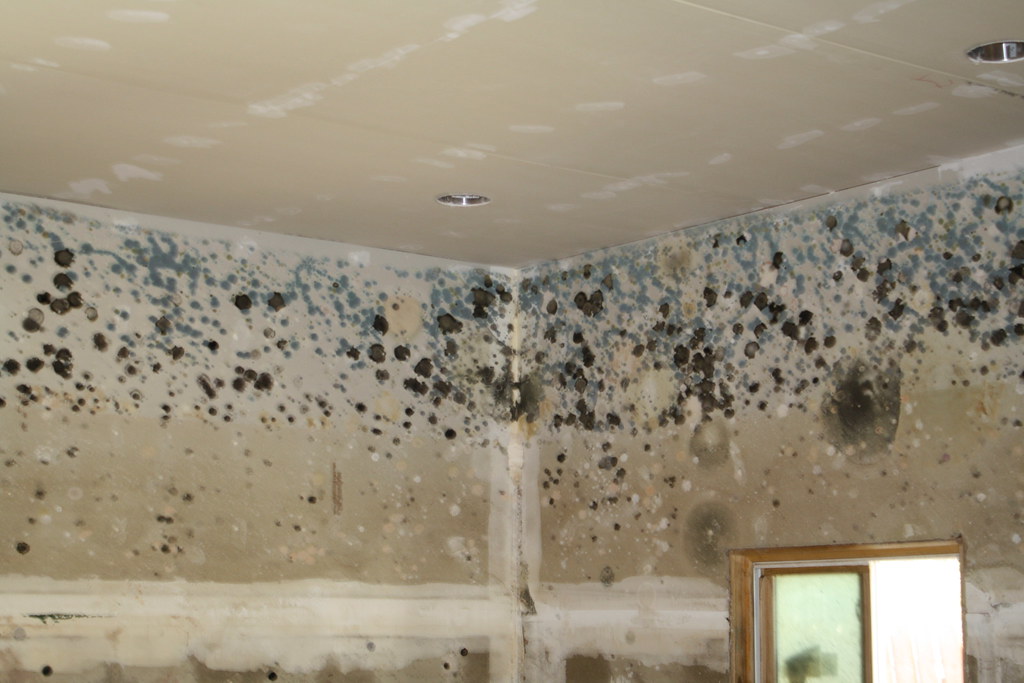
How Mold Remediation Protects Homes and Businesses After Water Damage explores the importance of professional mold remediation services, the dangers associated with moisture-related contamination, and how restoration specialists help restore healthy indoor environments after flooding or leaks. It also highlights why fast response times, moisture detection, air filtration, and professional sanitation are essential for protecting both residential and commercial properties.
As water damage incidents continue affecting homes and businesses throughout Michigan, mold remediation has become one of the most important components of safe and effective property restoration.
Why Mold Develops After Water Damage
Mold thrives in damp, humid environments where moisture remains trapped inside building materials. After flooding or leaks occur, water can penetrate porous surfaces such as drywall, carpeting, insulation, wood framing, and ceiling tiles.
When these materials remain wet or retain hidden moisture, mold spores naturally present in the environment begin multiplying rapidly.
Common conditions that encourage mold growth include:
- Flooding
- Burst pipes
- Roof leaks
- Basement moisture
- Poor ventilation
- HVAC condensation
- Appliance leaks
- Sewage backups
Mold often grows in hidden areas where moisture is difficult to detect, such as behind walls, under flooring, inside ceilings, or within air ducts.
Because mold spreads quickly once it begins developing, immediate professional intervention is critical after water intrusion events.
This is why mold remediation Southfield services emphasize rapid inspections and moisture control following floods or leaks.
How Quickly Mold Can Spread
One of the biggest dangers associated with mold contamination is the speed at which it can spread.
Under the right conditions, mold can begin growing within 24 to 48 hours after water exposure. Once established, colonies continue expanding as long as moisture remains available.
During the early stages:
- Moisture accumulates in porous materials
- Humidity levels rise indoors
- Hidden condensation develops
- Airborne spores begin spreading
Within days:
- Visible discoloration may appear
- Musty odors develop
- Indoor air quality worsens
- Structural materials begin deteriorating
Over time:
- Mold colonies spread throughout the property
- Contaminated materials may require removal
- Health risks increase
- Restoration costs rise significantly
Because mold spreads rapidly and often invisibly, professional inspections and moisture detection are essential after any water damage event.
The Health Risks Associated With Mold Exposure
Mold contamination can create serious health concerns, especially for children, elderly individuals, and people with respiratory conditions or weakened immune systems.
Exposure to mold spores may cause:
- Coughing and sneezing
- Nasal congestion
- Eye irritation
- Skin irritation
- Headaches
- Respiratory discomfort
- Asthma flare-ups
- Allergic reactions
In some cases, prolonged exposure to certain mold types may contribute to more severe respiratory complications.
Black mold removal becomes especially important when toxic mold species are present inside residential or commercial buildings.
Indoor air quality can decline rapidly when mold spores circulate through HVAC systems and ventilation pathways, exposing occupants throughout the property.
Professional remediation services help minimize these risks by safely removing contamination while improving air quality and restoring healthier indoor environments.
Common Causes of Mold Growth in Homes and Businesses
Mold growth can occur in nearly any property where moisture problems are not properly addressed.
Common causes include:
- Flood damage
- Leaking plumbing
- Storm damage
- Poor drainage
- Roof leaks
- Condensation buildup
- Basement humidity
- HVAC moisture
- Appliance failures
Commercial buildings may also experience mold problems due to:
- Large-scale water intrusion
- Ventilation system issues
- Roof membrane failures
- Industrial humidity levels
Water intrusion issues are especially dangerous because moisture can remain hidden inside walls or flooring long after visible water disappears.
Without professional moisture detection and drying procedures, mold contamination can continue spreading unnoticed for weeks or months.
The Difference Between Mold Removal and Mold Remediation
Many people use the terms mold removal and mold remediation interchangeably, but they are not exactly the same.
Mold removal typically refers to physically removing visible mold contamination from surfaces.
Mold remediation, however, is a much more comprehensive process that includes:
- Moisture source identification
- Mold containment
- Air filtration
- Removal of contaminated materials
- Structural drying
- Sanitization
- Prevention strategies
- Indoor air quality restoration
Professional remediation focuses not only on eliminating visible mold but also on correcting the underlying moisture conditions that allowed mold growth to occur.
Without proper remediation, mold often returns because hidden moisture remains unresolved.
This is why professional mold remediation services are far more effective than simple surface cleaning or temporary mold treatments.
Why Professional Mold Inspections Matter
One of the biggest challenges with mold contamination is that mold often grows in hidden areas where property owners cannot easily detect it.
Professional inspections help identify:
- Hidden moisture pockets
- Airborne contamination
- Structural moisture damage
- Active mold colonies
- HVAC contamination
- Water intrusion sources
Mold inspection services use advanced equipment such as:
- Moisture meters
- Thermal imaging cameras
- Humidity monitors
- Air sampling devices
These tools allow remediation professionals to detect moisture and contamination even behind walls or beneath flooring materials.
Professional inspections are especially important after:
- Flooding
- Pipe bursts
- Roof leaks
- Sewage backups
- Fire suppression water damage
Early detection significantly reduces restoration costs while improving the chances of successful remediation.
Moisture Detection and Structural Protection
Moisture detection is one of the most critical aspects of mold prevention.
Even after surfaces appear dry, moisture can remain trapped deep inside:
- Drywall
- Subfloors
- Wood framing
- Insulation
- Concrete materials
Professional restoration teams use specialized equipment to locate hidden moisture and ensure thorough structural drying before mold growth develops.
Structural moisture damage can weaken building materials over time, causing:
- Warped flooring
- Drywall deterioration
- Wood rot
- Insulation failure
- Ceiling collapse risks
By identifying and eliminating hidden moisture quickly, remediation professionals help protect both structural integrity and indoor air quality.
This proactive approach greatly reduces the likelihood of long-term contamination and costly reconstruction projects.
Air Filtration Systems and Indoor Air Quality Restoration
Indoor air quality is often heavily affected after mold contamination develops.
As mold colonies grow, microscopic spores can circulate through:
- HVAC systems
- Ventilation ducts
- Airflow pathways
- Open interior spaces
These airborne particles contribute to respiratory irritation and ongoing contamination risks.
Professional mold remediation services often use advanced air filtration systems such as:
- HEPA filtration units
- Negative air pressure systems
- Industrial air scrubbers
These systems capture airborne spores while preventing contamination from spreading into unaffected areas of the property.
Indoor air quality restoration is especially important for:
- Homes with children or elderly occupants
- Healthcare facilities
- Office buildings
- Schools
- Retail businesses
Restoring clean indoor air is one of the most important goals of professional remediation services.
Post-Flood Mold Cleanup and Sanitation
Flooding creates ideal conditions for mold growth because large amounts of moisture often penetrate multiple structural materials simultaneously.
Post-flood mold cleanup involves:
- Water extraction
- Structural drying
- Moisture monitoring
- Mold containment
- Contaminated material removal
- Air filtration
- Sanitization procedures
Floodwater may also contain bacteria, sewage contamination, and hazardous debris that increase health risks.
Property sanitation becomes essential after flood events to restore safe indoor environments.
Professional restoration teams use antimicrobial treatments and disinfectants designed to eliminate microbial contamination while reducing future mold risks.
Fast cleanup significantly improves recovery outcomes and helps prevent widespread structural contamination.
Preventing Mold After Water Damage
Preventing mold growth after water damage requires immediate action.
The most effective mold prevention strategies include:
- Rapid water extraction
- Immediate drying
- Moisture detection
- Humidity control
- Proper ventilation
- Removal of wet materials
- Professional inspections
Property owners should never assume surfaces are fully dry simply because standing water has been removed.
Hidden moisture can remain trapped for extended periods without proper drying equipment and monitoring.
Professional water damage restoration teams help prevent mold by addressing both visible and hidden moisture throughout the property.
Fast response times remain one of the most important factors in successful mold prevention.
Commercial Mold Remediation and Business Protection
Mold contamination can be especially disruptive for businesses because it affects:
- Employee safety
- Customer comfort
- Regulatory compliance
- Business operations
- Brand reputation
Commercial mold remediation often requires careful containment procedures to minimize operational disruption while protecting occupants.
Businesses may face additional challenges such as:
- HVAC contamination
- Large-scale moisture issues
- Inventory damage
- Occupancy concerns
Professional remediation providers help businesses:
- Maintain safer work environments
- Reduce downtime
- Protect property investments
- Improve indoor air quality
- Meet health and safety standards
Rapid remediation is especially important in commercial settings where ongoing contamination can quickly impact productivity and operational continuity.
The Importance of Professional Containment Procedures
Containment is one of the most important steps in mold remediation because it prevents spores from spreading into unaffected areas.
Professional containment methods may include:
- Plastic containment barriers
- Negative air pressure systems
- Sealed work zones
- Controlled airflow systems
Without proper containment, remediation activities can unintentionally release mold spores into other parts of the property.
Professional remediation teams are trained to safely isolate contaminated areas while protecting occupants and unaffected materials.
This controlled approach greatly improves remediation effectiveness while reducing cross-contamination risks.
Why DIY Mold Cleanup Can Be Dangerous
Many property owners attempt to handle mold problems themselves using household cleaners or temporary surface treatments.
However, DIY cleanup often fails to address:
- Hidden contamination
- Structural moisture
- Airborne spores
- HVAC spread
- Underlying water intrusion
Improper handling may also disturb mold colonies and spread contamination throughout the property.
Large mold infestations, black mold contamination, and post-flood cleanup situations should always be handled by trained professionals with proper protective equipment and remediation expertise.
Professional mold remediation services provide safer and more effective long-term solutions compared to temporary surface cleaning methods.
Long-Term Benefits of Professional Mold Remediation
Professional remediation provides important long-term benefits for both residential and commercial properties.
Effective remediation helps:
- Improve indoor air quality
- Protect structural integrity
- Prevent recurring contamination
- Reduce health risks
- Preserve property value
- Lower future repair costs
Properties that receive immediate and thorough remediation are significantly less likely to experience ongoing moisture-related problems.
Professional services also provide documentation and verification that remediation was completed properly, which can be valuable for insurance claims and future property transactions.
The Future of Mold Prevention and Restoration
As climate-related flooding, severe storms, and water intrusion events continue increasing, mold remediation services are becoming more important than ever.
Advances in:
- Moisture detection technology
- Air filtration systems
- Structural drying equipment
- Antimicrobial treatments
- Indoor air quality monitoring
continue improving restoration outcomes and contamination prevention strategies.
Modern restoration companies increasingly focus on comprehensive moisture management rather than simply cleaning visible mold growth.
This proactive approach helps create healthier and more resilient indoor environments for both homes and businesses.
Conclusion
How Mold Remediation Protects Homes and Businesses After Water Damage highlights the critical role professional remediation services play in restoring safe and healthy indoor environments after flooding or leaks.
Mold contamination can spread rapidly after water intrusion, creating serious structural damage, indoor air quality problems, and health risks if not addressed quickly and professionally.
Through moisture detection, air filtration, structural drying, sanitation, and contamination removal, mold remediation services help protect both residential and commercial properties from long-term damage and recurring moisture problems.
Water Damage Restoration of Southfield and other professional remediation providers help homeowners and businesses recover more safely and effectively by delivering comprehensive solutions that prioritize health, structural protection, and long-term prevention.
As water damage incidents continue affecting properties throughout Michigan, professional mold remediation remains essential for protecting property value, occupant safety, and indoor environmental quality.