
Flood Damage Repair in Southfield: Disaster Recovery and Prevention Tips
June 22, 2026If you’re facing flood damage in Southfield, it’s essential to act quickly. Begin by ensuring safety: turn off electricity and gas, and document any damage for insurance claims. Emergency water extraction is critical to prevent mold growth and structural issues. Implement preventive measures like basement waterproofing, sump pumps, and proper drainage systems to protect your property. Certified restoration professionals can help manage recovery, adhering to industry best practices. Discover important strategies to safeguard your home effectively.
Introduction
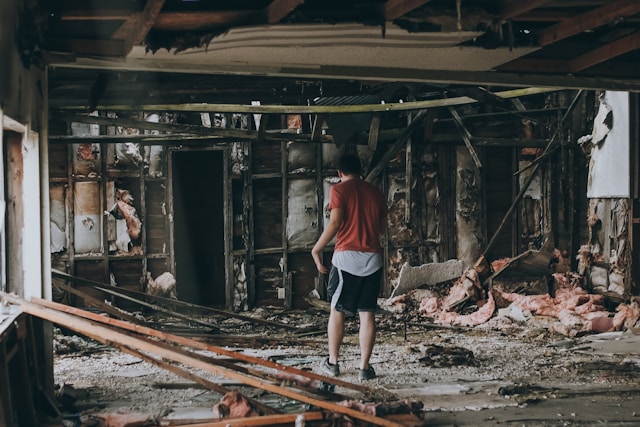
As flooding poses a significant threat to both homes and businesses in Southfield, understanding the risks associated with water damage is vital for property owners. Flood damage can compromise the integrity of your structure, affect personal belongings, and disrupt electrical systems. If you experience flooding, acting quickly is essential for minimizing long-term repair costs. Engaging professional Flood damage repair Southfield services can help mitigate these issues effectively. Water damage restoration Southfield offers a range of disaster recovery services, including emergency water extraction, structural drying, and mold remediation. By being aware of these risks and knowing whom to call for assistance, you can protect your property from the devastating effects of flood damage and promote a swift recovery.
What Causes Flood Damage: Heavy rainfall, burst pipes, sewer backups, and drainage failures
While floods can occur suddenly, understanding their causes allows you to better prepare and protect your property. Heavy rainfall can overwhelm drainage systems, leading to surface flooding. Burst pipes are another common culprit, causing unchecked water flow in your home. Additionally, sewer backups can introduce harmful contaminants, making immediate Sewage cleanup Southfield essential for health and safety. Finally, drainage failures—due to improper design or debris—can exacerbate flood conditions. When faced with these scenarios, prompt actions like emergency water extraction are vital to minimize damage. Afterward, Mold remediation Southfield becomes necessary to prevent long-term effects on air quality. By addressing these potential causes, you can better safeguard your property against flood damage.
Common Areas Affected by Flooding: Basements, crawl spaces, foundations, and commercial spaces
Flooding can wreak havoc on several key areas within a property, particularly basements, crawl spaces, foundations, and commercial spaces. These areas are often the first to experience water damage due to their proximity to the ground. In basements and crawl spaces, excess moisture can lead to mold growth and structural issues if not addressed promptly. Foundations can shift or crack under pressure from standing water. For commercial spaces, flooding can disrupt business operations and result in significant financial losses. To mitigate these risks, it’s essential to invest in Water mitigation services, basement waterproofing, and sump pump installation. Taking these preventative measures can protect your property and reduce overall repair costs after a flood event.
First Steps After a Flood: Safety precautions and immediate actions to minimize damage
After a flood, it’s essential to prioritize safety and take immediate steps to minimize damage to your property. Start by evaluating your environment; don’t enter any structures until authorities declare them safe. Turn off electricity and gas to prevent hazards. If it’s safe to do so, begin removing standing water and debris. Document damage for insurance claims while wearing protective gear. Once water’s gone, focus on structural drying to prevent further deterioration. Use fans and dehumidifiers to reduce moisture levels effectively. Check for hidden water pockets in walls and floors, as they can breed mold. Taking these initial actions can considerably reduce long-term damage and make the recovery process smoother.
Importance of Emergency Water Extraction: Preventing structural deterioration and mold growth
If emergency water extraction isn’t performed quickly, structural deterioration and mold growth can occur, leading to more extensive damage and costly repairs. Standing water creates an ideal environment for mold spores to thrive, often resulting in health risks for you and your family. Additionally, prolonged exposure to moisture can weaken your property’s structural integrity, affecting walls, flooring, and foundations. To prevent these issues, it’s vital to act fast. Utilizing professional water extraction services guarantees that water is removed efficiently, and surfaces are dried promptly, minimizing the risk of secondary damage. Your prompt action not only protects your home’s value but also promotes a healthier living environment. Remember, the sooner you extract water, the better your chance of preventing mold and structural issues.
Professional Flood Damage Assessment: Evaluating damage and creating a restoration plan
When faced with flood damage, a thorough professional assessment is essential for effective recovery. This evaluation involves an experienced technician examining the extent of the damage, which includes structural integrity, electrical systems, and personal belongings. They’ll utilize specialized tools to identify moisture levels in materials that may not be immediately visible. Based on their findings, a detailed restoration plan will be created, outlining the necessary steps for mitigation, repairs, and prevention of future damage. This plan guarantees that you’re aware of what to expect, including timelines and potential costs, helping you make informed decisions. Proper assessment not only speeds up recovery but also reduces the risk of long-term complications, such as mold growth and structural decay.
Water Mitigation Process: Removing water and stabilizing affected areas
With a thorough restoration plan in place, the next step involves the water mitigation process, which focuses on removing standing water and stabilizing affected areas. Begin by using submersible pumps and high-capacity vacuums to extract excess water quickly. Once standing water is removed, check for hidden moisture in walls, flooring, and other structural elements. This step is vital for preventing further damage and mold growth. It is important to create airflow by opening windows and using fans or dehumidifiers to promote evaporation. Assess the stability of affected structures and verify they’re sound; reinforce any compromised areas to prevent further issues. After addressing immediate concerns, you can move forward with the drying process, which sets the stage for thorough restoration.
Structural Drying Techniques: Advanced equipment and moisture detection methods
Effective structural drying techniques are vital in mitigating the long-term effects of flood damage. Advanced equipment like high-velocity fans and industrial dehumidifiers plays a key role in removing moisture quickly. These devices circulate air and extract water, appreciably reducing drying time. To guarantee thorough drying, you’ll want to employ moisture detection methods, such as infrared cameras and hygrometers. These tools help pinpoint hidden moisture pockets in walls and floors, allowing for targeted drying efforts. By monitoring moisture levels, you can prevent structural weakening and minimize the risk of additional damage. Using these techniques can greatly enhance the effectiveness of your recovery efforts, ensuring your property remains safe and sound following a flood event.
Mold Prevention and Remediation: Addressing health risks associated with moisture exposure
After addressing structural drying, it’s important to focus on mold prevention and remediation, especially since lingering moisture can lead to significant health risks. To prevent mold growth, make certain all areas affected by flooding are thoroughly dried within 24-48 hours. Regularly inspect high-humidity environments, such as basements and bathrooms, for signs of moisture. Use dehumidifiers and maintain ventilation to stabilize indoor humidity levels below 60%. If mold does appear, don’t hesitate to act; use EPA-recommended mold remediation techniques. Seal off contaminated areas to prevent spore spread, and always wear appropriate protective gear during cleanup. Consider hiring a professional mold remediation service for extensive contamination to make sure safety and compliance with health regulations. Protecting your health is paramount.
Cleaning and Sanitization: Eliminating contaminants, bacteria, and odors after flooding
As soon as floodwaters recede, prioritizing cleaning and sanitization is essential to protect your property from harmful contaminants and bacteria. Begin by removing all standing water and damp materials like carpets, furniture, and drywall, as these can harbor mold and pathogens. Use a mixture of water and disinfectant to thoroughly clean surfaces, guaranteeing you reach hidden areas that may trap moisture. For persistent odors, consider using deodorizers and air purifiers to enhance indoor air quality. Additionally, using a wet vacuum can assist in extracting water from porous surfaces. Always wear protective gear, such as gloves and masks, while cleaning. If contamination levels are high, it’s best to consult professionals to guarantee your space is safe and sanitary.
Insurance Coverage and Claims Assistance: Understanding policies and documenting losses
Managing insurance coverage for flood damage can be complicated, especially when you’re trying to recover swiftly from a disaster. Start by reviewing your policy to understand what’s covered, focusing on flood-specific and general homeowner coverage. It’s vital to document all losses meticulously; take photos and videos of damaged items and property while making a list of affected belongings. Communicate promptly with your insurance company, providing them with thorough documentation to support your claim. Be aware of deadlines for filing claims, as they vary by policy. If you encounter challenges, consider seeking assistance from a public adjuster who can help navigate the claims process and advocate for your best interests, ensuring you receive adequate compensation for your losses.
Health and Safety Concerns: Mold, bacteria, sewage contamination, and indoor air quality
Flooded environments can pose serious health and safety risks due to the potential for mold growth, bacteria proliferation, and sewage contamination. As water stagnates, it creates an ideal breeding ground for mold, which can trigger allergies and respiratory issues. Bacteria, often found in floodwaters, can lead to severe infections if contaminated surfaces are touched. Additionally, sewage overflow can introduce harmful pathogens, putting your health at risk. Indoor air quality may greatly deteriorate as mold spores and volatile organic compounds become airborne, exacerbating existing health conditions. To mitigate these risks, it’s vital to address water damage promptly, guarantee adequate ventilation, and professionally remediate contaminated areas. This proactive approach safeguards your health and maintains a safe living environment.
Preventative Maintenance Strategies: Plumbing inspections, roof maintenance, and drainage improvements
To prevent costly flood damage in Southfield, regular plumbing inspections, roof maintenance, and drainage improvements are essential. Schedule plumbing inspections at least once a year to check for leaks or weaknesses that could lead to water intrusion. Make sure your roof is in good condition by cleaning gutters and downspouts and repairing any damaged shingles. This maintenance helps to direct water away from your home. Additionally, evaluate your drainage systems for effectiveness; consider installing French drains or regrading your landscape to promote better water flow away from your foundation. By implementing these strategies, you can greatly reduce the risk of floods and protect your property from future water damage. Stay proactive, and invest in your home’s safety.
Flood Prevention Solutions: Basement waterproofing, sump pumps, flood barriers, and grading corrections
When it comes to safeguarding your property against water damage, implementing effective flood prevention solutions is crucial. Basement waterproofing creates a barrier against moisture intrusion, protecting your foundation and belongings. Installing a sump pump actively removes excess water, minimizing flood risks during heavy rains. Flood barriers and sandbags can also be employed to redirect water flow away from your property, providing an extra layer of protection. Additionally, grading corrections guarantee that your yard slopes away from your home, preventing water from pooling around your foundation. By proactively addressing these areas, you can considerably reduce the likelihood of flood damage and safeguard your investment. Prioritizing these measures prepares you better for unpredictable weather patterns.
Why Choose Certified Restoration Professionals: IICRC standards, experience, and rapid response services
After implementing flood prevention solutions, knowing who to call for recovery is just as important. Certified restoration professionals adhere to IICRC standards, ensuring that they follow industry best practices for flood damage repair. Their extensive experience equips them to handle a variety of situations efficiently. Rapid response services mean they’re available 24/7, minimizing potential damage and reducing repair costs. These experts conduct emergency water extraction, structural drying, and mold remediation using advanced techniques and equipment. Choosing certified specialists not only guarantees quality workmanship but also offers peace of mind that your property is in capable hands. By relying on their expertise, you can effectively restore your home or business while safeguarding against future flooding issues.
Conclusion
Southfield Water Damage Restoration Co. stands ready to assist you in overcoming the challenges posed by flood damage. Their expert team specializes in thorough flood damage repair, ensuring your property is restored efficiently. From emergency water extraction to advanced mold remediation, they cover all aspects of disaster recovery. You’ll appreciate their proactive approach to prevention, offering services like basement waterproofing and sump pump installation to safeguard against future incidents. By relying on their expertise, you can greatly reduce potential long-term costs and protect your investment. Whether it’s residential or commercial properties, trust Southfield Water Damage Restoration Co. for reliable solutions that prioritize your peace of mind and safety. Don’t wait—act swiftly to secure your property from future water damage challenges.